Should I get a used car checked before buying it? What to check and in what order
Should I get a used car checked before buying it? Yes, and most of the checking can be done before you travel to see it. Autospekt explains what the free GOV.UK services show, where they stop, and when a paid history check, such as a carVertical report, is worth the money.
carVertical discount code
AUTOSPEKTUK
20% off
Code checked: 20 November 2026
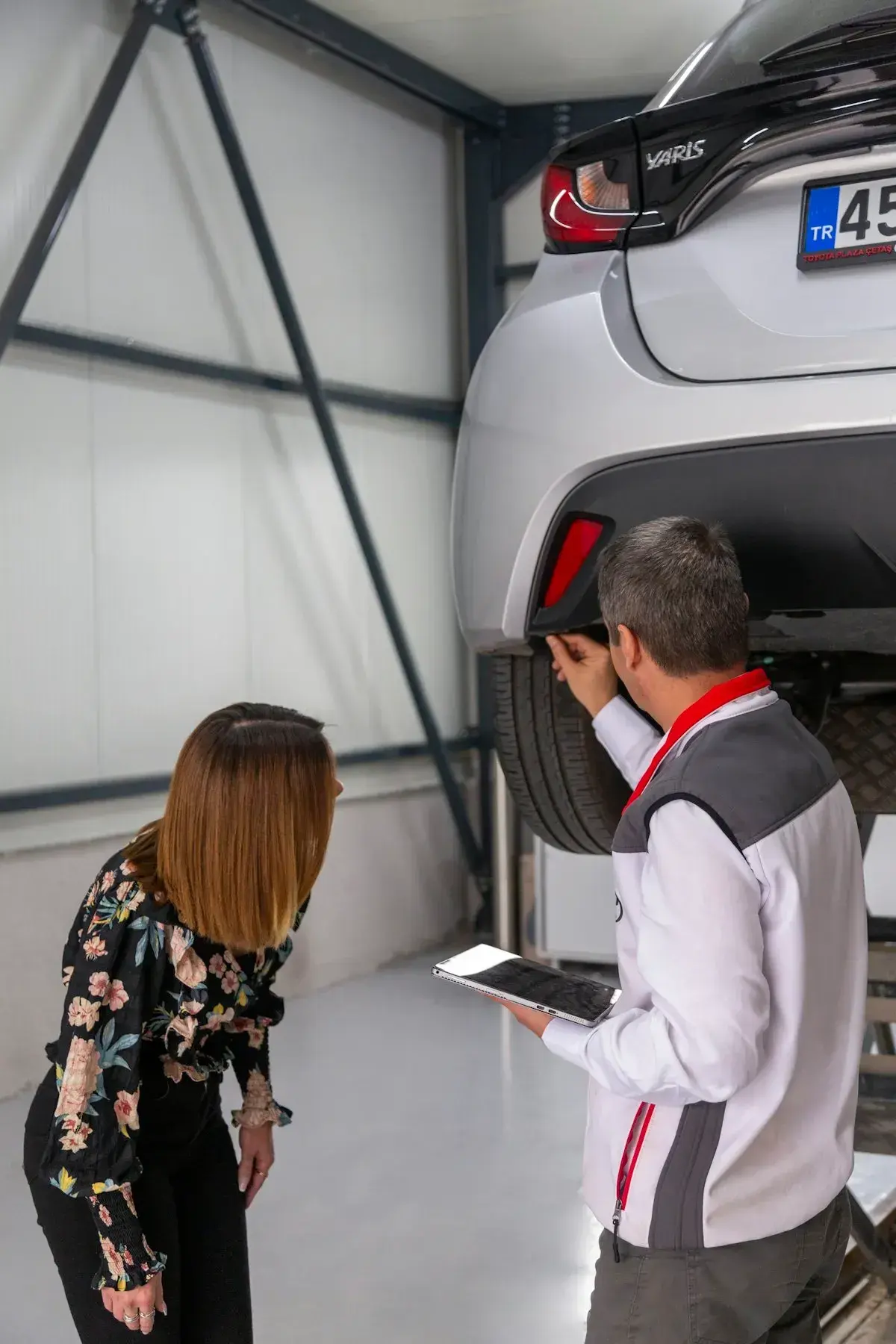

Start checking before you travel
Checking starts with the advert, not the viewing. Ask the seller for the registration number, the make and model, and the MOT test number. GOV.UK suggests comparing these details with what DVLA holds and checking the MOT status and history before you go to see the car (GOV.UK: check a used vehicle you’re buying).
A seller who won’t give you the registration number before a viewing is an early warning sign. An honest seller has nothing to hide, and the number plate is on the car anyway. Ten minutes of checking at home can save you a long trip to see a car you would have walked away from.
Each step has its own guide: the free car check, the car history check, the VIN check and the used car checklist.
Five checks before you hand over any money
This order saves time: first what you can check from home, then the viewing, then the paperwork.
Check the DVLA details
Enter the registration number in the DVLA vehicle enquiry service. The make, colour, first registration date and the date the last V5C was issued should match the advert.
The free checksRead the MOT history
The MOT history service shows each test result and the mileage recorded at each test. The mileage should go up steadily from one test to the next.
Checking the mileageRun a history check if needed
The free services don’t show write-off, outstanding finance or theft records. A paid history check, for example a carVertical report, can show them where they have been recorded.
What a history check coversInspect and test drive the car
Bodywork and panel gaps, tyres, interior, a cold start and a proper test drive. If in doubt, ask a garage or an independent inspector to look at it.
The used car checklistCheck the V5C log book
Look for the DVL watermark, check that the seller’s details match the log book, and compare the VIN and engine number with those on the car.
Checking the VINWhat the free GOV.UK checks show, and what they miss
The DVLA and MOT services cost nothing and are the right first step: they show the MOT results with the mileage at each test, tax and MOT status and key registration dates. They don’t show insurance write-off records, outstanding finance, theft records or history from before the car was registered in the UK. See what the free car checks cover.

Imported cars: where UK records begin
Some used cars on sale in the UK were first registered abroad. For these cars, the DVLA and MOT records describe their life since they arrived in the UK, not before. If the first MOT mileage looks low for the car’s age, the free services give you nothing to compare it with.
The same applies to newer cars: most cars in Great Britain need their first MOT by the third anniversary of registration, so a two-year-old car usually has no MOT records yet (in Northern Ireland, the first test is at four years). For both cases, a history check that brings together records from several countries and sources is often the only way to see what was recorded earlier. Read more about the car history check.
When a paid history check makes sense
A history check is not always essential: a long, consistent MOT history and a full service record already tell you a lot.
You want to rule out a write-off
Write-off records are not in the free GOV.UK services. A history check can show them where an insurer has recorded them.
You’re asked for a deposit
Before you transfer money, check for outstanding finance and theft records.
The car has been abroad
UK records start when the car was registered here. A report can show what was recorded before.
The viewing is a long way off
A report costs less than a wasted round trip to the other end of the country.
The most common problems with used cars
Most bad buys come down to one of these. Each can be spotted before you sign.
Clocked mileage
MOT and service readings show whether the mileage has gone up steadily. A drop between two readings is a strong warning sign.
Checking the mileageHidden accident damage
A well-repaired car isn’t necessarily a bad buy if the price reflects it. The problem is damage the seller doesn’t mention.
Accident-damaged carsFinance or theft
A car with outstanding finance or a theft record can cost you the car and the money. Check before paying anything.
Car history checkOur guides by topic
Each topic has its own detailed guide.
Car history check
What a history report contains and how to read it.
History checkVIN check
What the VIN tells you and how to compare it with the V5C.
VIN checkFree car check
What the GOV.UK services show for free.
Free checksUsed car checklist
Paperwork, inspection and test drive.
The checklistMileage check
How to check the real mileage.
MileageAccident-damaged cars
Damage history and signs of repair.
DamagecarVertical in the UK
How a carVertical report works for UK cars.
carVertical UKcarVertical discount code
The current code, discount and date checked.
Discount codeGuides on write-off categories, MOT history and the V5C are coming soon.
Frequently asked questions
Should I get a used car checked before buying it?
Yes. Start with the free DVLA and MOT checks using the registration number, then decide whether you need a paid history check for write-off, finance and theft records. Finish with an inspection, a test drive and a look at the V5C.
When should I check a car: before or after the viewing?
Before. The free checks take minutes and a history check takes about the same, so you can rule out a car before travelling to see it or paying a deposit.
Do I still need to check a car from a dealer?
Yes. You have stronger rights when you buy from a dealer, but using them takes time and effort. Checking the history first is quicker than returning a car later.
Is it worth checking a cheap car?
Yes. A cheaper car has often had more keepers and more years in which gaps can appear in its history.