Car mileage check: how to spot a clocked car using MOT history
A car mileage check is one of the most useful things you can do before buying, because mileage drives the price and is one of the easiest figures to fake. Here is where recorded mileage can be found, how to read the MOT mileage history, how to spot a clocked car and what the law says.
carVertical discount code
AUTOSPEKTUK
20% off
Code checked: 20 November 2026
Why the mileage matters so much
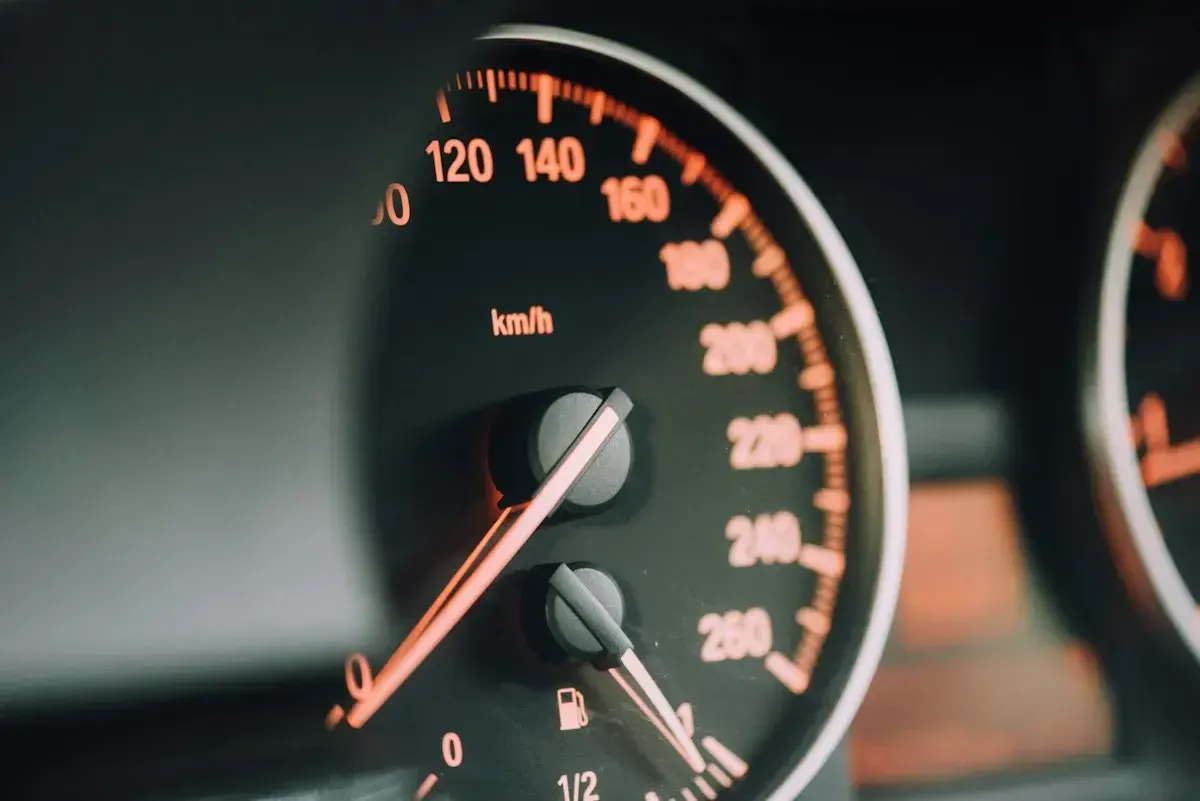
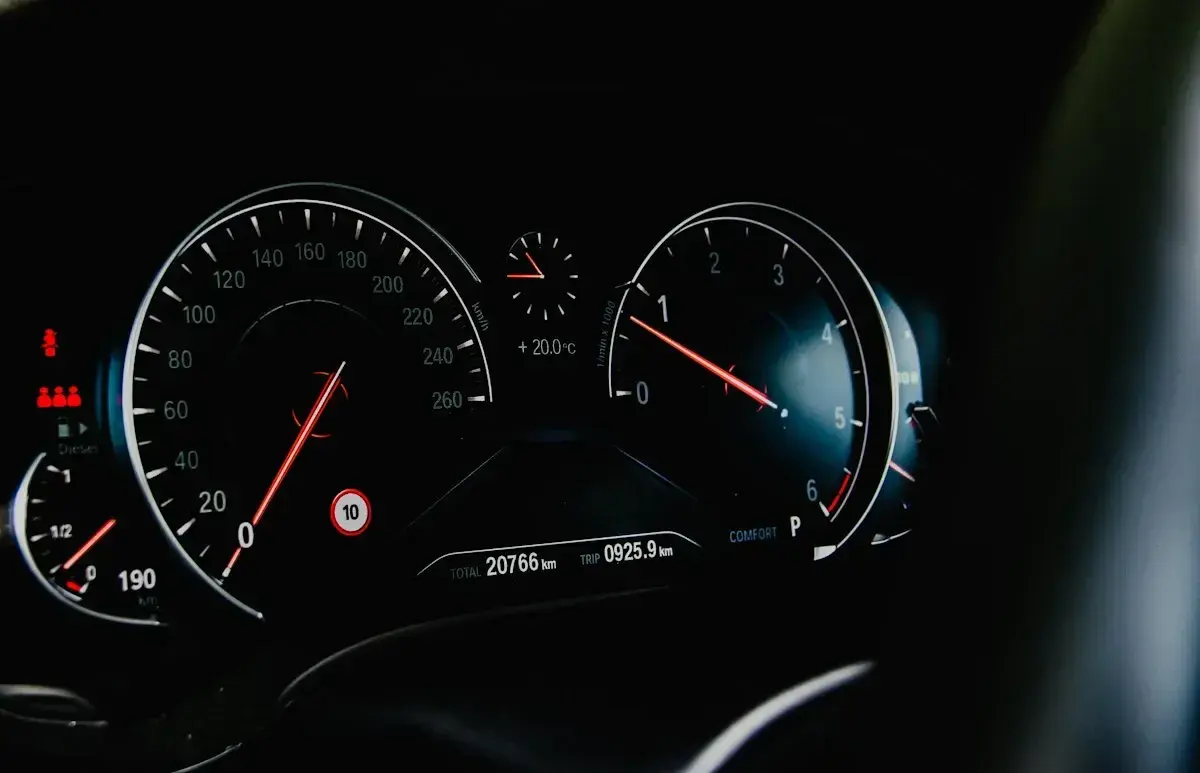
Mileage is one of the first things a buyer looks at, and one of the simplest to manipulate. A car that has had tens of thousands of miles taken off the clock looks younger and sells for more, and you pay for wear you can’t see: clutch, suspension, turbo. Worse, you plan servicing around a figure that isn’t true.
The good news is that mileage leaves traces in many places. The more recorded readings you collect, the harder a manipulation is to hide.
How to tell if a car has been clocked
Mileage only goes up. Each recorded reading should be higher than the one before. A reading lower than an earlier one is the clearest sign of clocking.
-
March 2021
- Where the reading comes from
- MOT test
- Mileage
- 71,400 miles
-
April 2022
- Where the reading comes from
- Service invoice
- Mileage
- 83,900 miles
-
May 2023
- Where the reading comes from
- MOT test
- Mileage
- 52,100 miles: 31,800 miles lower
| Date | Where the reading comes from | Mileage |
|---|---|---|
| March 2021 | MOT test | 71,400 miles |
| April 2022 | Service invoice | 83,900 miles |
| May 2023 | MOT test | 52,100 miles: 31,800 miles lower |
Fictional example. A reading lower than an earlier one means the odometer has very probably been turned back.
Car mileage check in four steps
From free sources to the viewing. Each step adds readings to the same timeline.
MOT mileage history
Enter the registration in the GOV.UK MOT history service and note the mileage recorded at each test.
Free car checkService records
Add the mileages from the service book and invoices. Dates and miles should rise together.
Other sources
A history check can add readings from services, adverts and, for imported cars, from abroad.
Car history checkThe car itself
At the viewing, compare wear on the interior and controls with the mileage on the dashboard.

MOT mileage check: what the history shows
The GOV.UK MOT history service shows the mileage recorded at every MOT test for cars tested since 2005 (in Northern Ireland, since 2017). It is free and needs only the registration number, so it is the first place to check. Look at the whole sequence, not just the latest figure: a steady rise is normal, a drop is a red flag, and a sudden very small increase on an older car deserves a question.
Then put the service book and invoices next to the MOT readings. Invoices are harder to fake than stamps: they carry a number, a date, a mileage and the garage’s details. nidirect also suggests asking the garages that serviced the car to confirm the mileages they recorded.
Where the MOT mileage history has gaps
In Great Britain, a car needs its first MOT by the third anniversary of its registration (GOV.UK); in Northern Ireland, at four years old (nidirect). A newer car therefore has no MOT readings at all, and between two tests there is a year without an official record.
That is where clocking can slip through. If the mileage was turned back before the first MOT, or between two tests with no other record to contradict it, the MOT history won’t show a drop. For imported cars, the first UK MOT is the first UK reading: anything done before the car arrived is invisible in the free records. This is why other sources matter: service invoices, the previous keeper and, for imports, records from abroad.
Digital odometers don’t prevent fraud either: changing the display on a modern dashboard takes a dishonest workshop very little time. Trust recorded readings, not the number on the dashboard.
Where to check a car’s mileage
Put the readings from all three on one timeline.
MOT history on GOV.UK
The mileage at every MOT test since 2005 (Northern Ireland: since 2017). Free, by registration number.
Free car checkHistory check
Readings from services, adverts and, for imported cars, other countries, where they have been recorded.
Car history checkService book and invoices
Each entry has a date and a mileage. Compare them with each other and with the MOT readings.
Mileage, price and running costs
Mileage affects a car’s value more than most other factors, which is why it is worth faking. The real cost comes after you buy. Many jobs are due at set mileages, such as the timing belt (cambelt) and automatic gearbox oil, and wear parts such as the clutch and dampers follow the miles covered. If the odometer shows fewer miles than the car has really covered, those jobs may be long overdue, and you find out at the first breakdown.
If the timing belt is due at a set mileage and the clock has been turned back by tens of thousands of miles, that point may have passed unnoticed. On many engines, a snapped belt means serious engine damage that costs far more than a history check and an inspection.
With any doubtful mileage, do your sums as if the car had covered a lot more, and ask for invoices for the major replacements.
Where else the mileage is stored
On modern cars, the mileage isn’t only stored in the instrument cluster. Other control units, such as the engine, gearbox or ABS modules, and sometimes the key, also record it. Not all of them are always changed when a car is clocked. A mechanic with the right diagnostic equipment can read and compare them: ask for this at a pre-purchase inspection.
A printed service history from a franchised dealer, or access to the manufacturer’s digital service record, is also harder to fake than a stamp in a paper book. Oil change stickers and tyre or timing belt invoices each add another point to the timeline.
Signs of wear that don’t fit the mileage
You can turn back a clock, but not wear and tear. Compare the condition of the car with what the dashboard says.
Inside the car
- Shiny or worn steering wheel, gear knob and pedal rubbers
- Sagging or worn bolster on the driver’s seat
- Polished buttons, or brand-new pedal rubbers on an older car
- Worn carpet under the driver’s feet
In the paperwork
- An oil change sticker showing more miles than the dashboard
- A service book filled in with one pen
- Several stamps dated the same day
- No invoices despite a “full service history”
If the mileage doesn’t add up before you buy
Not every inconsistency is fraud, but each one needs an explanation before you pay.
Ask for an explanation
Ask the seller and request evidence, for example the invoice for a replaced instrument cluster.
Get it checked by a garage
A mechanic can read the mileage stored in other control units and compare it with the dashboard.
Decide
A drop in mileage with no documented reason is a reason to walk away, or at the very least to negotiate hard.

Is clocking illegal? What the law says and what you can do
For a trader, selling a car with a falsified mileage is an unfair commercial practice: the CMA’s own examples include a used car “clocked” to show a lower mileage. Since 6 April 2025, these rules are in the Digital Markets, Competition and Consumers Act 2024, which replaced the Consumer Protection from Unfair Trading Regulations 2008 and contains criminal offences (CMA guidance on unfair commercial practices). Under the 2008 Regulations, a business offering “mileage correction” was convicted in 2012, together with charges under the Fraud Act 2006. In Northern Ireland, official advice states plainly that turning back a car’s mileage is illegal.
If you find out after buying that the car was clocked, gather the evidence: MOT history, history check, invoices, the advert stating the mileage and your receipt. Citizens Advice explains that a false mileage reading can give you a right to a repair, the cost of a repair, or some or all of your money back. With a dealer, the Consumer Rights Act 2015 applies; with a private seller, you can claim if the mileage was misrepresented. According to the CMA, consumers keep the rights of redress set out in the 2008 Regulations until new rules replace them. Legal position as at 20 November 2026.
Frequently asked questions
How can I check a car’s real mileage?
Put the readings from several sources on one timeline: the mileage at each MOT test in the GOV.UK MOT history, the service book and invoices, and a history check for other recorded readings. Each reading should be higher than the one before.
Does MOT history show mileage?
Yes. The GOV.UK MOT history service shows the mileage recorded at each test for cars tested since 2005. For tests in Northern Ireland, results go back to 2017.
Is clocking a car illegal in the UK?
A trader who sells a clocked car without making the true mileage clear commits an unfair commercial practice, which can be a criminal offence. A private seller who lies about the mileage can face a claim from you and, in some cases, a fraud charge. Since 6 April 2025 the rules are in the Digital Markets, Competition and Consumers Act 2024, which replaced the Consumer Protection from Unfair Trading Regulations 2008.
Can a digital odometer be clocked?
Yes. Digital odometers can be altered too, which is why you should rely on recorded readings, invoices and data from other control units rather than the figure on the dashboard.
What can I do if I bought a clocked car?
Gather the evidence (MOT history, invoices, the advert and your receipt) and contact the seller. You may be entitled to a repair, the cost of a repair, or some or all of your money back. Citizens Advice can explain your options.