What to look for when buying a used car: the complete checklist
Knowing what to look for when buying a used car is easier if you follow a set order: the advert, the free checks, the V5C, the inspection, the test drive and finally a safe payment. Keep this used car checklist on your phone at the viewing and tick off each point as you go.
carVertical discount code
AUTOSPEKTUK
20% off
Code checked: 20 November 2026

Before the viewing: the advert, the registration and the free checks
Checking starts at home. Read the advert carefully: year, mileage, number of previous keepers, service history and whether the car was imported. Photos that hide the number plate, a single interior shot or “immaculate” with no detail are reasons to ask questions.
Compare the price with similar cars of the same model, age and engine. A price well below the market is rarely a bargain: it often hides damage, finance, a write-off or a deposit scam.
Call the seller and ask for the registration number, the make and model and the MOT test number. GOV.UK suggests checking these against the DVLA record and the MOT history before you go (GOV.UK: check a used vehicle you’re buying). Then ask directly: has the car been in an accident, is there any finance on it, how many keepers, are there service invoices? Note the answers so you can compare them with the paperwork. How to do the free car check
What to look for when buying a used car: the checklist
Six groups, from the paperwork to the moment you pay. Tick them off as you go.
Paperwork
- Original V5C log book, not a photocopy, with a DVL watermark
- Seller’s name and address match the V5C, and you are viewing at that address
- VIN and engine number on the car match the V5C (where to find the VIN)
- Service history and invoices with dates and mileages
- MOT history matches what the seller says
History
- DVLA details and MOT history checked by registration number
- Mileage rises steadily from test to test (mileage check)
- Finance, write-off and theft records ruled out with a car history check
- The story fits the records: keepers, imports, gaps
Bodywork and interior
- Even panel gaps, matching paint colour, no overspray on seals
- Rust on sills, wheel arches and the bottom of the doors
- Signs of accident repair at the front panel and rear end (accident-damaged cars)
- Wear on the steering wheel, pedals and driver’s seat fits the mileage
- No damp, musty smell or water marks under the carpets
Engine and running gear
- Cold start: the engine should not have been run before you arrive
- Warning lights come on and then go out after starting
- No oil or fluid leaks under the car or in the engine bay
- Tyres evenly worn, matching sizes on each axle, legal tread depth
Test drive
- At least 15 minutes, on different types of road
- Smooth gear changes and clutch, no slipping
- Drives straight, including under braking
- No knocks over bumps, no vibration through the steering wheel
- Air conditioning, windows, lights and electrics all work
On the day you buy
- Written receipt with date, price, mileage, registration and VIN
- Known faults written down
- Green new keeper slip (V5C/2) handed to you
- All keys, the service book and any spare parts handed over
What to take to the viewing
A few things that make a used car inspection much easier.
For the inspection
- A torch for the engine bay, underneath and the wheel arches
- A paint depth gauge, if you can borrow one
- This checklist on your phone
- Your free check results and history check, saved or printed
For the conversation and the sale
- A second person: they spot different things and act as a witness
- Confirmation that you are insured to test drive the car
- Two copies of a simple receipt, in case the seller has none
- Your list of questions: accidents, finance, keepers, servicing, faults

The test drive: how to get the most from it
Citizens Advice: buying a used car suggests viewing the car in daylight, ideally when it is dry, because damage is harder to spot when the paint is wet, and test driving for at least 15 minutes on different types of road. Don’t drive unless you are insured: check with your own insurer, or ask the seller or dealer whether their insurance covers you.
Ask for the engine to be cold when you arrive and watch the first start: smoke from the exhaust, a rough idle or a starter that struggles all need explaining. Drive with the radio off. Listen for the clutch and gearbox, the suspension over bumps and any pull to one side. Try the brakes on a clear stretch, gently and then firmly.
After the drive, open the bonnet and look underneath again: leaks show more easily when the engine is warm. Check that no warning light has come on.
The most common used car scams
Most of them can be spotted before you part with any money.
Clocked mileage
The mileage is turned back to raise the price. MOT readings, invoices and a history check expose it.
Mileage checkHidden write-off
A repaired write-off sold as accident-free. A history check and a close inspection help.
Accident damageSeller isn’t the keeper
Someone with no link to the V5C, or a trader posing as a private seller. nidirect advises buying at the keeper’s address shown on the log book.
Deposit for an unseen car
A request for a transfer before any viewing, often with a very low price. Never pay for a car you haven’t seen.
Getting the car inspected by a garage or engineer
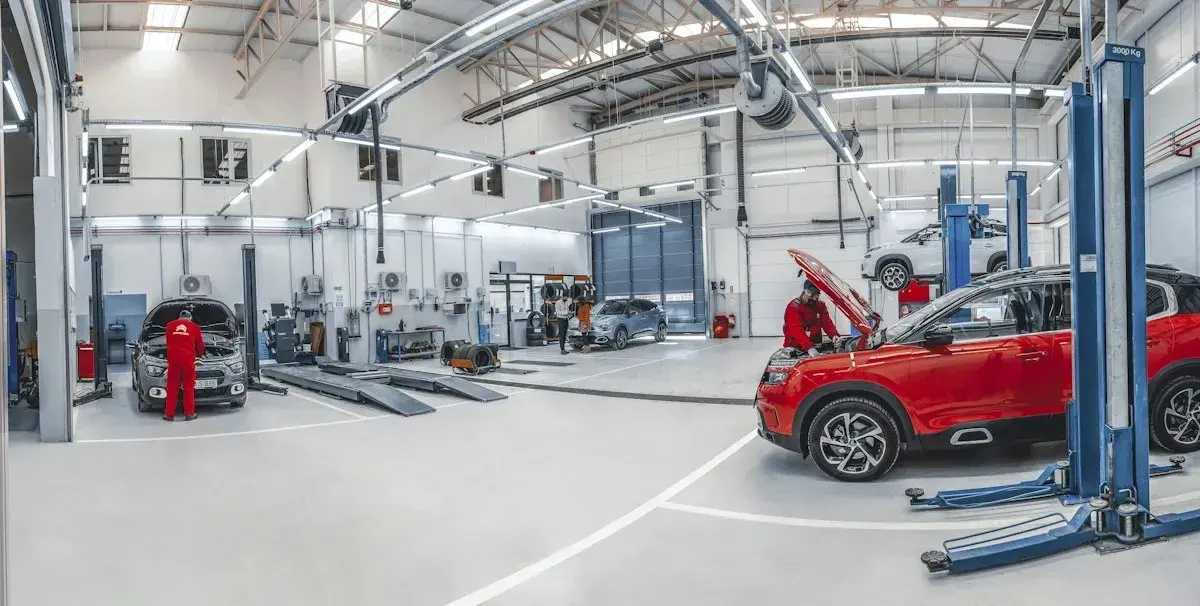
If you aren’t confident with cars, have the car inspected before you buy by an independent garage or vehicle inspection service. Prices depend on what is included, from a quick look on a ramp with a fault code scan to a full report. Ask what is checked before you book.
A proper inspection covers the underside on a ramp, the electronics, the paintwork and a short drive with the mechanic. Ask for a written report, or at least take photos: it helps you negotiate and it is evidence if the seller later claims you knew about a fault.
Choose the garage yourself, not one the seller recommends. A seller who refuses an independent inspection usually has a reason.
Dealer, private seller or auction: what changes
Who you buy from decides what you can do if something goes wrong later.
Dealer
Under the Consumer Rights Act 2015, the car must be of satisfactory quality, fit for purpose and as described. Within 30 days you can reject a faulty car for a refund; after that, the dealer normally gets one chance to repair or replace it.
Private seller
The car must match the seller’s description, including the advert (Sale of Goods Act 1979), and the seller must have the right to sell it. Otherwise you have far fewer rights and generally no claim for faults.
Auction
Citizens Advice: buying a used car calls auctions probably the riskiest way to buy a used car: you probably won’t have the protection you would get from a trader. Read the conditions of sale before you bid.
How to pay for a used car safely
The way you pay decides how much protection you have if something goes wrong.
Avoid cash
Cash leaves no trace and no protection. Northern Ireland’s official advice is simply not to pay in cash.
Debit card
When a dealer takes cards, a debit card payment may give you some protection through chargeback.
Credit card
Paying even part of the price by credit card can give you protection under section 75 of the Consumer Credit Act, within limits explained by Citizens Advice.
Bank transfer
Only once you have seen the car and the V5C, and the name on the account matches the seller.
The paperwork you should get from the seller
Check each document before you pay, not after.
-
V5C log book
- What it is for
- Shows the registered keeper (not necessarily the legal owner)
- What to check
- Original, DVL watermark, serial number outside the stolen ranges, VIN and engine number match the car
-
New keeper slip (V5C/2)
- What it is for
- Lets you tax the car straight away
- What to check
- Green slip from the V5C, filled in and handed to you
-
Receipt
- What it is for
- Records the sale
- What to check
- Date, price, mileage, registration, VIN, both names and addresses
-
Service history and invoices
- What it is for
- Supports the mileage and condition
- What to check
- Dates and mileages that rise steadily
-
MOT certificate
- What it is for
- Confirms the current MOT
- What to check
- Matches the MOT history on GOV.UK
| Document | What it is for | What to check |
|---|---|---|
| V5C log book | Shows the registered keeper (not necessarily the legal owner) | Original, DVL watermark, serial number outside the stolen ranges, VIN and engine number match the car |
| New keeper slip (V5C/2) | Lets you tax the car straight away | Green slip from the V5C, filled in and handed to you |
| Receipt | Records the sale | Date, price, mileage, registration, VIN, both names and addresses |
| Service history and invoices | Supports the mileage and condition | Dates and mileages that rise steadily |
| MOT certificate | Confirms the current MOT | Matches the MOT history on GOV.UK |
Sources: GOV.UK: check a used vehicle you’re buying and GOV.UK: registering a used vehicle. Legal position as at 20 November 2026.
What to do after buying a used car
Vehicle tax does not transfer with the car (GOV.UK: tell DVLA you’ve sold, transferred or bought a vehicle). You have to tax and insure it before driving away.
The seller tells DVLA
Online, the seller registers the car to you, fills in the green new keeper slip and gives it to you. By post, they send the V5C to DVLA.
Insure the car
You must have insurance before you use the car on the road (GOV.UK: buy a vehicle step by step).
Tax the car
Use the 12-digit reference number on the new keeper slip (V5C/2) to tax it online before you drive it.
Wait for your V5C
If the seller registered the sale online, the new log book usually arrives within 5 to 7 working days; otherwise usually within 4 weeks. Contact DVLA if it hasn’t arrived after 4 weeks, and before 6 weeks have passed, after which you have to pay for a replacement.

The receipt: what to write down
The V5C records who the keeper is, not what condition the car was in or what you agreed. For that, write a simple receipt and sign it together: the date, the price and how it was paid, the mileage on the day, the registration and VIN, both parties’ names and addresses, and any faults the seller told you about. Make two copies and keep yours with the advert, your history check and the photos from the viewing.
If the car later turns out not to match the advert, for example a lower mileage or “no accidents” that wasn’t true, this is your evidence. nidirect notes that with a private seller you can claim if the age or mileage was misrepresented, but not for faults.
Time limits worth knowing
30 days
short-term right to reject
For a faulty car bought from a dealer, counted from the day after delivery.
6 months
repair or replacement
After 30 days and up to 6 months, the dealer normally gets one chance to put it right; after 6 months, you have to prove the fault was there at delivery.
5 to 7 days
new V5C after an online sale
Working days, when the seller registers the sale online.
4 weeks
new V5C by post
Contact DVLA if the log book hasn’t arrived after 4 weeks.
Sources: Consumer Rights Act 2015, nidirect and GOV.UK: registering a used vehicle. Legal position as at 20 November 2026. Check the current rules before you buy.
Frequently asked questions
What should I look for when buying a used car?
A history that matches the advert, an original V5C whose VIN and engine number match the car, mileage that rises steadily in the MOT history, even panel gaps and paint, no leaks, a clean cold start and a test drive of at least 15 minutes on different roads.
What paperwork should I get when buying a used car?
The original V5C log book shown to you and the green new keeper slip (V5C/2) handed over, a signed receipt with the date, price, mileage, registration and VIN, the service history and invoices, and the current MOT certificate.
Can I return a used car to a dealer?
If it is faulty, yes. Under the Consumer Rights Act 2015 you can reject it for a refund within 30 days. After that, the dealer normally gets one chance to repair or replace it before you can ask for money back.
What are my rights when buying a used car privately?
Much weaker than with a dealer. The car must match the seller’s description and the seller must have the right to sell it, but you generally cannot claim for faults. That is why checks before buying matter most in a private sale.
Can I drive a used car home straight after buying it?
Only once it is taxed in your name and you are insured. Vehicle tax does not transfer from the seller, so tax it using the reference number on the new keeper slip before you drive away.